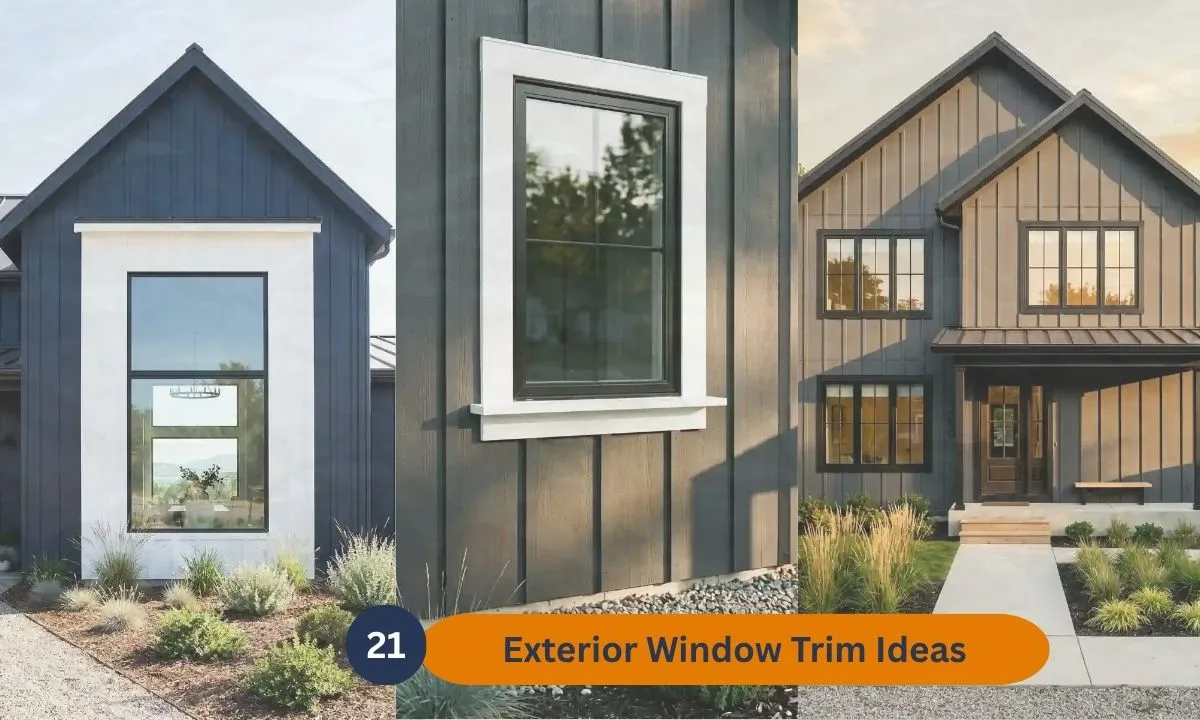
21 Exterior Window Trim Ideas to Instantly Boost Curb Appeal
Introduction:
Your windows deserve better than bare, unfinished edges. The right exterior window trim can completely transform how your home looks from the street and it costs far less than most people expect.
I’ve noticed that this one detail is consistently the most overlooked upgrade in home exterior design, yet it delivers some of the biggest curb appeal results.
Whether your home feels flat, dated, or simply uninspired, the right trim style can give it personality, depth, and a polished finished look. From bold black casing to charming rustic wood and elegant arched surrounds, this list covers 21 beautiful ideas for every home style and budget.
You don’t need a full renovation to make a real difference. Sometimes one small, well-chosen detail is all it takes to make your home the most eye-catching one on the street.
Classic White Painted Trim
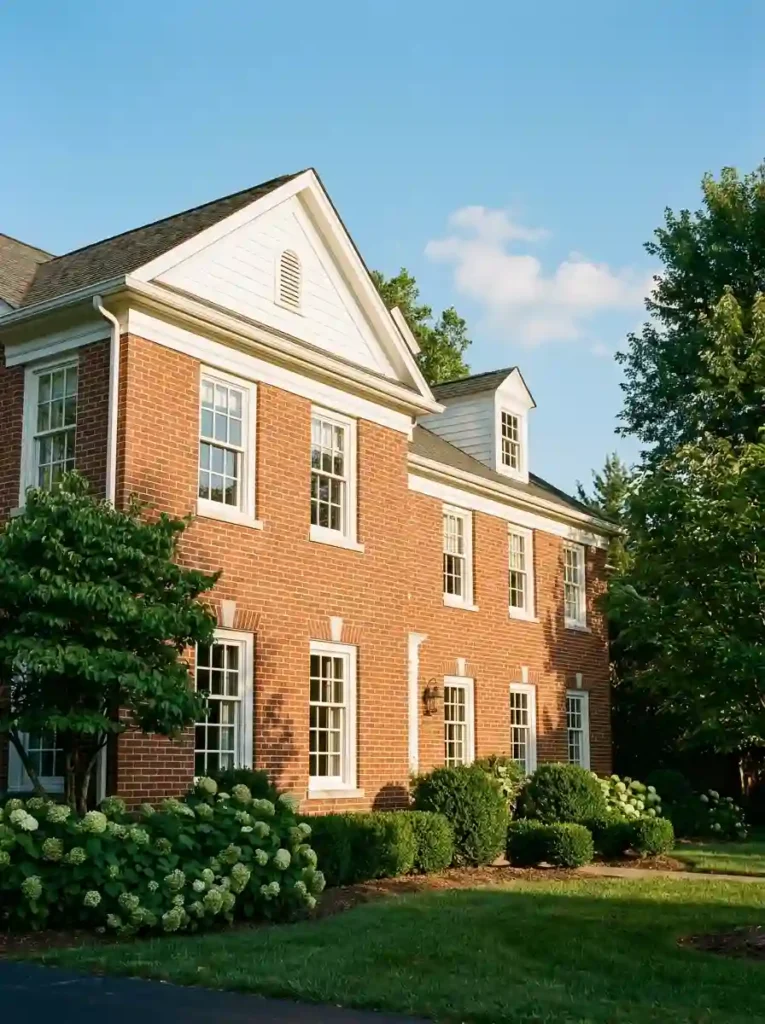
- Bright white trim creates instant contrast against brick, stone, or siding.
- It makes windows appear larger and more defined from the street.
- This is one of the simplest upgrades with the biggest visual payoff.
- Works beautifully on both modern and traditional home styles.
- A fresh coat of white paint can completely transform an aging facade.
White window trim has been a go-to choice for homeowners for good reason. It catches the eye immediately and adds a clean, finished look to any home. Even a simple repaint can make the whole front look brand new.
I’ve seen this work well in many homes where the original trim was dull or weathered. The contrast alone does most of the heavy lifting. You don’t need to change anything else to notice a dramatic difference.
Bold Black Trim Contrast
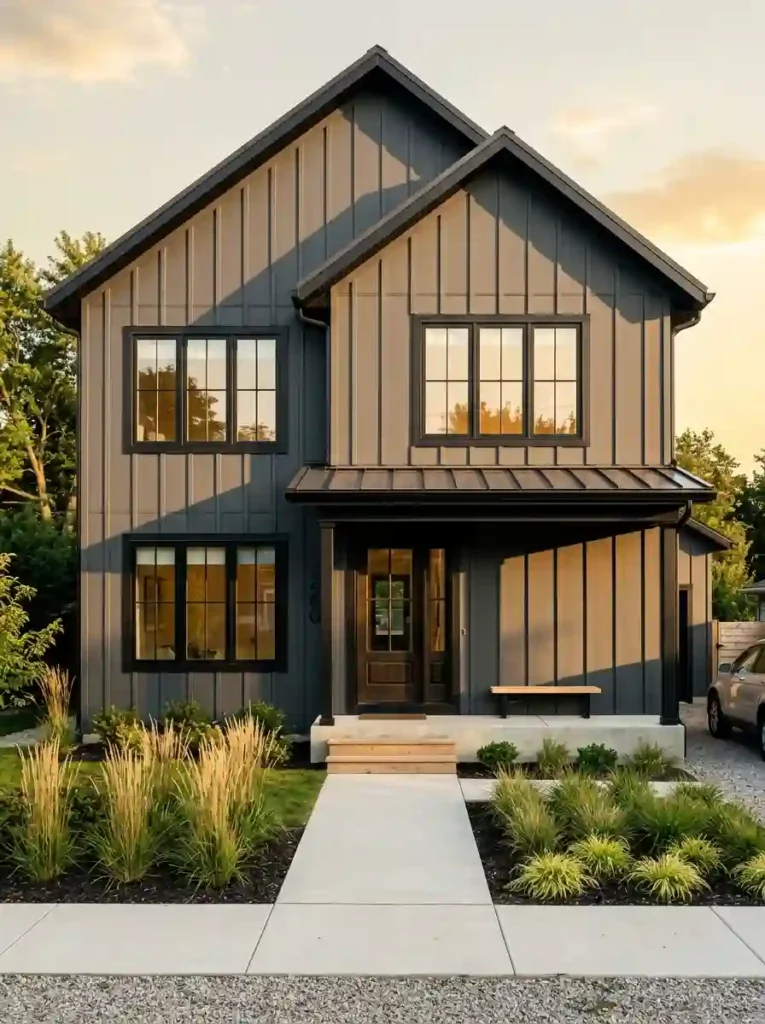
- Black trim adds dramatic contrast and a high-end, architectural feel.
- It works especially well against light siding colors like white, cream, or gray.
- This look is trending heavily in modern farmhouse and contemporary designs.
- Matte black finishes resist glare and look clean in all lighting conditions.
- Even simple flat casing looks expensive with a bold black finish.
Black exterior window trim has quickly become one of the most searched design choices online. It gives homes a sharp, intentional look that reads as modern and well-designed. The contrast it creates is hard to ignore from any angle.
In my experience, homeowners are often surprised how much character black trim adds. It doesn’t feel heavy or dark. It feels defined. Paired with the right siding, it elevates the entire exterior effortlessly.
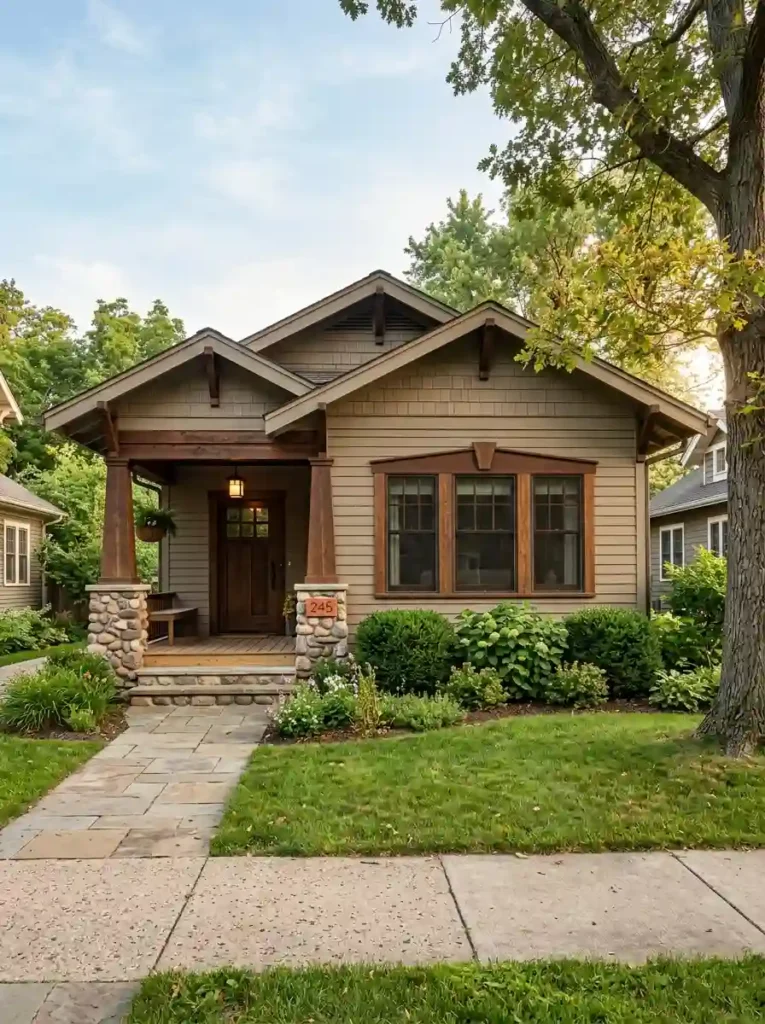
Craftsman-Style Casing
- Wide, flat casing with a keystone or header block is a Craftsman signature detail.
- It adds architectural depth and handcrafted character to plain window openings.
- This style works beautifully on bungalows, cottages, and heritage-style homes.
- The proportions feel balanced, grounded, and visually satisfying.
- Natural wood stain or painted finishes both work well with this design.
Craftsman-style window casing brings a sense of craftsmanship and intention to a home’s exterior window trim. The wide profile and classic proportions make every window look like it was designed by an architect. It’s a small detail that says a lot about the quality of the home.
That’s why many designers recommend this style for homes that feel plain or unfinished. The added trim width draws the eye and adds shadow lines that change with the light throughout the day. It’s one of those upgrades that looks better the closer you get.
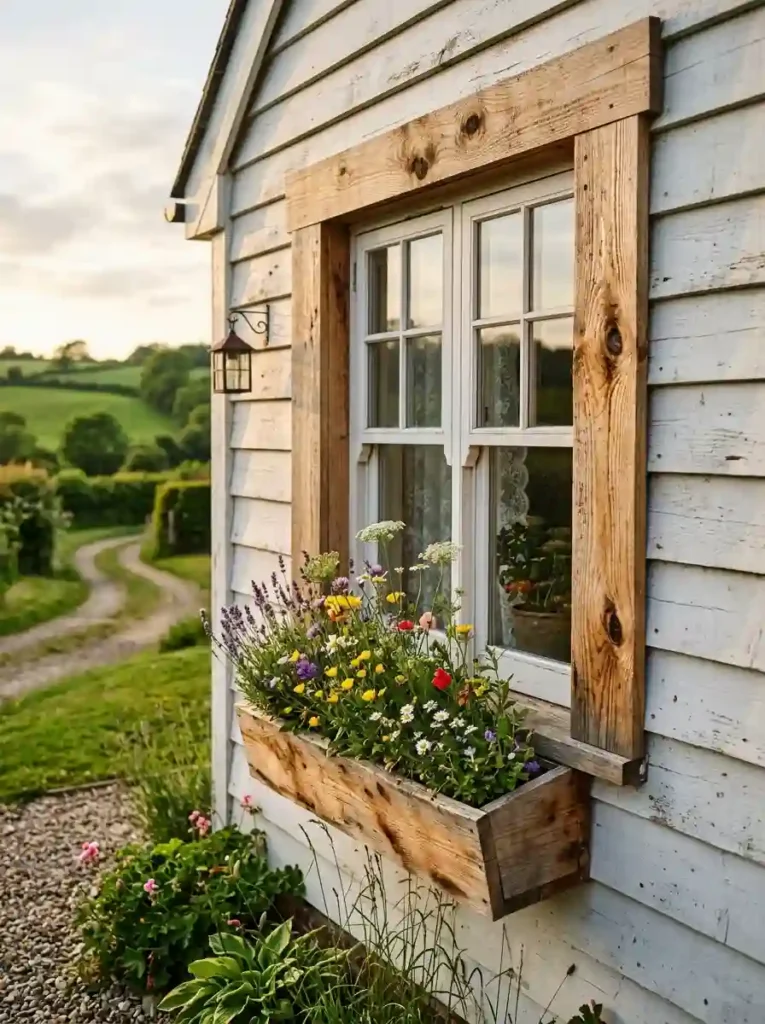
Rustic Wood Plank Trim
- Natural wood trim adds warmth, texture, and organic character to any exterior.
- Cedar and pine are popular choices because they hold up well outdoors.
- The raw grain texture creates a rustic, handcrafted look that feels welcoming.
- Works especially well on farmhouse, cabin, and cottage-style homes.
- Sealing or staining the wood protects it while keeping the natural beauty visible.
There is something genuinely warm about natural wood trim around a window. It softens the exterior and makes a home feel lived-in and grounded. No painted finish can fully replicate the depth and texture of real wood grain.
I’ve noticed that even simple rough-cut cedar boards can look stunning with just a clear weatherproof sealant. You don’t need expensive materials to get this look. The natural variation in the wood does all the design work for you.
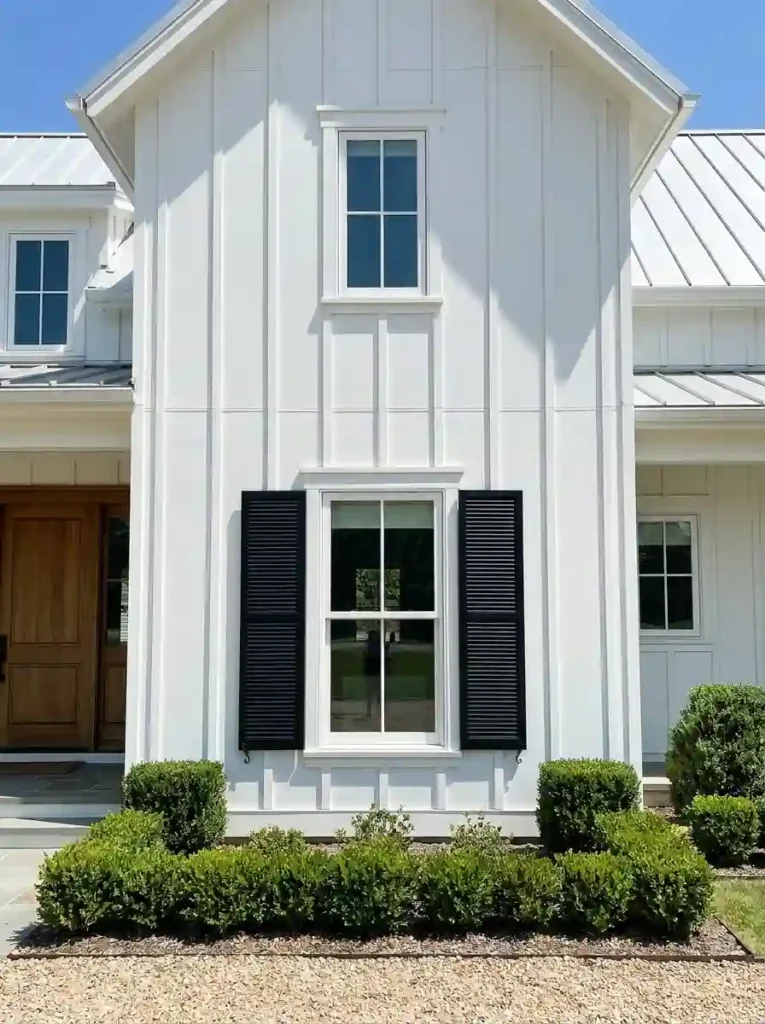
Board and Batten Surround
- Board and batten trim creates strong vertical lines that frame windows with purpose.
- It adds a layered, architectural look without complex installation or high cost.
- This style pairs naturally with board and batten siding for a cohesive exterior.
- The clean geometric lines work beautifully in both farmhouse and modern designs.
- Painting it white or matching it to the siding keeps the look seamless and polished.
Board and batten window surrounds bring a structured, intentional quality to a home’s facade. The vertical lines draw the eye upward and make windows feel taller and more prominent. It is a simple technique that adds real visual weight and definition.
From my perspective, this is one of the most versatile trim styles available. It fits equally well on new builds and older homes getting a fresh look. The result always feels current, clean, and well thought out.
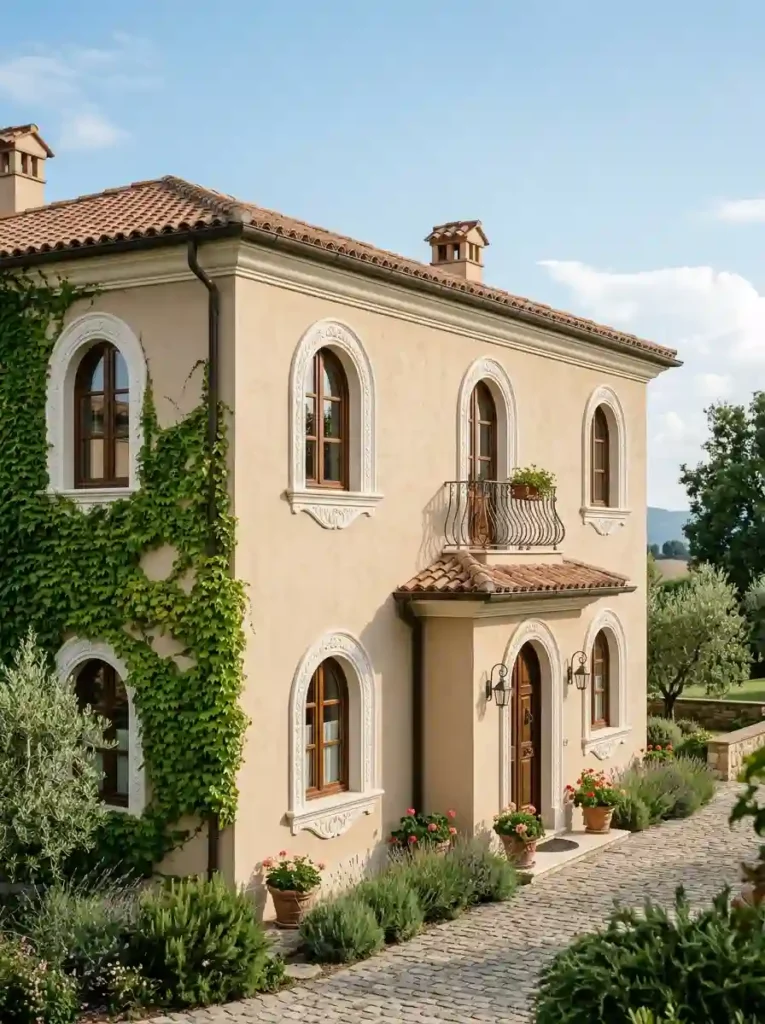
Stucco Molding Detail
- Stucco molding adds elegant, Old World detail to Mediterranean and Spanish-style homes.
- The raised border creates shadow lines that give windows a sculpted, three-dimensional look.
- It works seamlessly with stucco walls because the material blends without visible seams.
- Simple profiles look clean and classic while ornate designs add dramatic character.
- Painting the molding a contrasting white or cream makes the detail stand out beautifully.
Stucco window molding is one of those details that looks expensive but is surprisingly achievable. The raised profile catches light and shadow throughout the day, giving the facade a constantly changing, architectural quality. It transforms flat walls into something that feels designed with real intention.
In my experience, even a simple flat stucco border around a window makes a significant difference. You don’t need elaborate ornamentation to get the effect. A clean raised edge is enough to frame the window and elevate the whole wall.
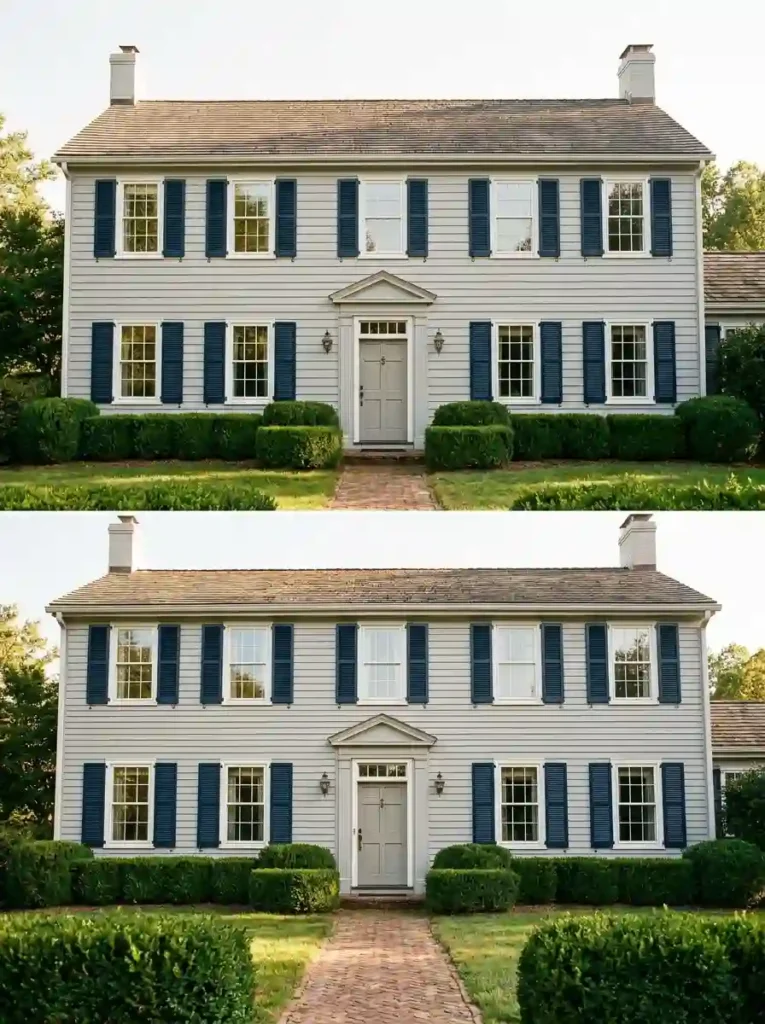
Shutter and Trim Combo
- Pairing shutters with matching trim creates a layered, polished window surround.
- The color contrast between shutters and trim adds visual depth and dimension.
- This combination works on colonial, traditional, and cottage-style homes beautifully.
- Shutters frame the window while trim defines the edges for a complete, finished look.
- Choosing complementary colors ties the whole exterior color palette together naturally.
A shutter and trim combination is one of the most classic window treatments in residential design. The two elements work together to frame the window like a picture, giving it weight, symmetry, and character. It is a pairing that has worked for decades and still looks fresh today.
I’ve seen this work well even on homes with very plain facades. Adding shutters alongside well-proportioned trim instantly gives the exterior a more designed and intentional appearance. The key is choosing colors that complement rather than compete with each other.
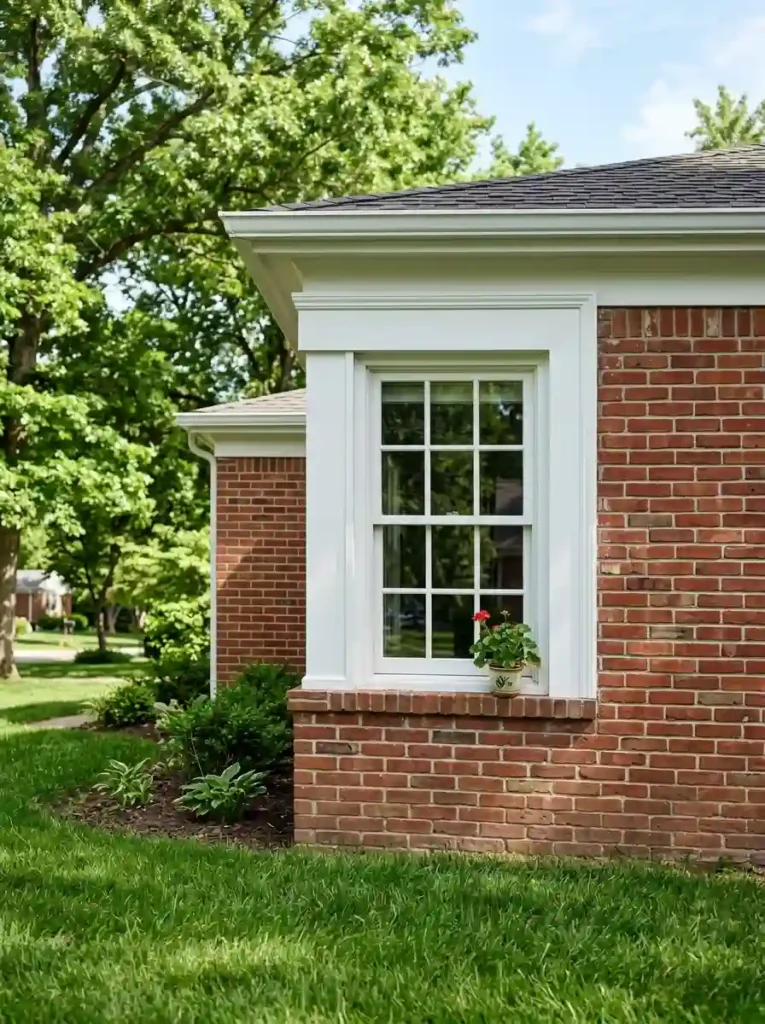
Brick Molding Profile
- Brick molding is a practical trim profile designed specifically to bridge window frames and masonry.
- It creates a neat, weatherproof seal between the window unit and surrounding wall material.
- The L-shaped profile adds a subtle but clean shadow line around every window opening.
- It works on brick, stone, and stucco exteriors without looking out of place.
- Painting it white or a contrasting color makes the profile visually crisp and defined.
Brick molding is one of the most functional yet underappreciated trim profiles in home exteriors. It solves a real problem, filling the gap between the window frame and the wall, while also adding a finished, professional look. That combination of function and form makes it genuinely valuable.
That’s why many designers recommend it as a starting point for homeowners updating older windows. It is affordable, widely available, and makes a noticeable difference in how clean and complete the window looks. Sometimes the most practical choice is also the most attractive one.
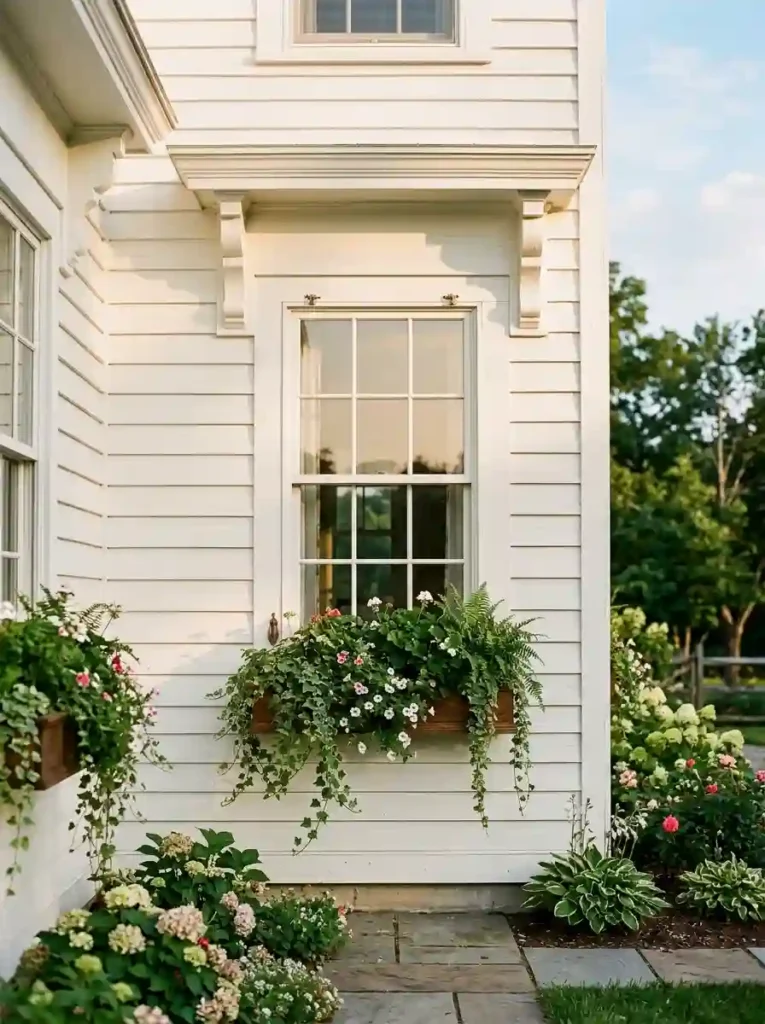
Farmhouse Window Header
- A decorative header above the window adds instant architectural interest to flat facades.
- Simple flat boards with corbel brackets create a farmhouse-meets-craftsman hybrid look.
- This detail draws the eye upward and gives windows a more prominent, designed appearance.
- It works especially well on single-story homes where windows need more visual height.
- Painting the header the same color as the trim keeps it cohesive and intentional.
Adding a header detail above a window is one of the easiest ways to make a home look more custom and thoughtfully designed. It breaks up flat wall space and gives each window a sense of importance. The effect is subtle from a distance but impressive up close.
In my own experience, this is one of the first ideas I suggest when a home’s exterior feels flat or unfinished. A simple header board costs very little but adds noticeable character. It is the kind of small upgrade that makes visitors stop and look twice.
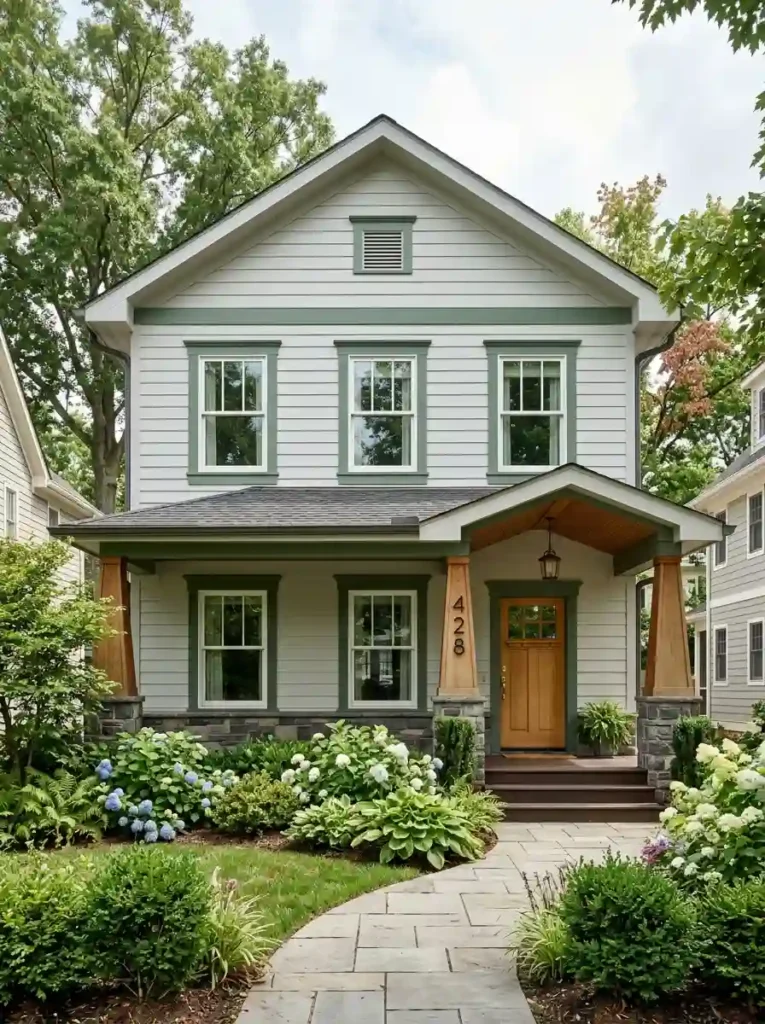
Painted Accent Trim Color
- Choosing an accent color for window trim instead of white creates a memorable, unique exterior.
- Deep greens, navy blues, and warm terracottas are all trending accent trim colors right now.
- The right accent color ties window trim to the front door and other exterior details beautifully.
- It adds personality and curb appeal without requiring major renovation or construction.
- Even one coat of a bold accent color can completely change how the whole house reads from the street.
Color is one of the fastest and most affordable ways to transform window trim on any home. Stepping away from traditional white and choosing a thoughtful accent shade adds instant personality. It signals that the home has been intentionally designed rather than left at default.
I’ve noticed that sage green and deep navy consistently get the most positive reactions from neighbors and visitors alike. These colors feel current without being trendy in a way that dates quickly. A well-chosen accent trim color can anchor the entire exterior color story beautifully.
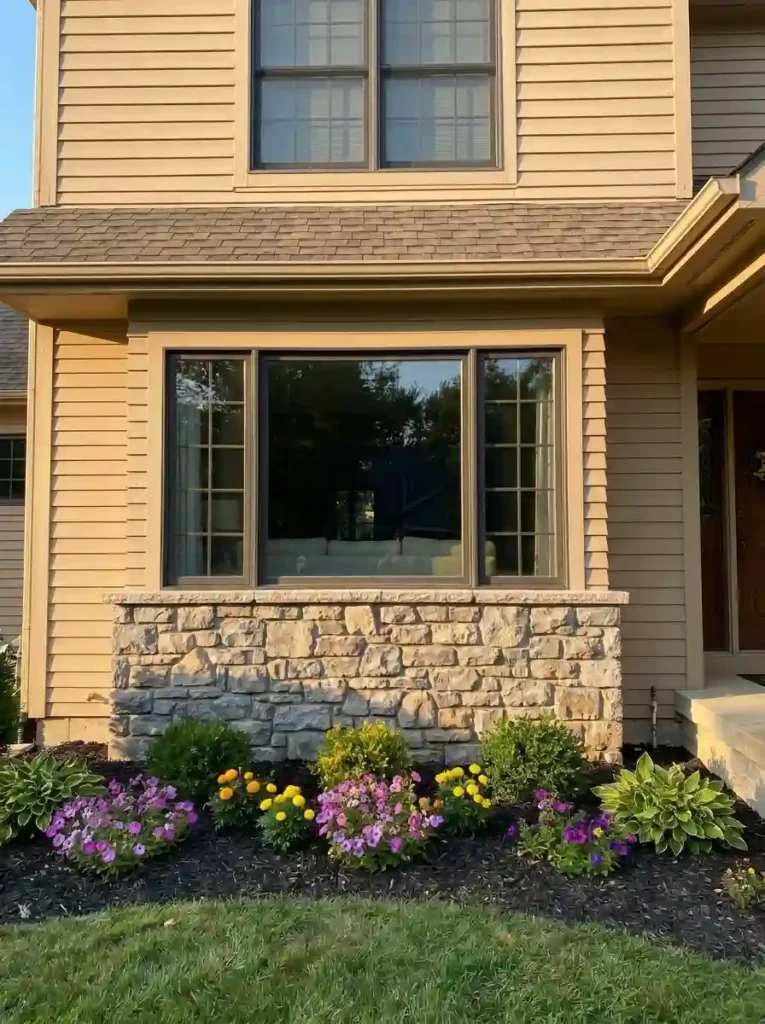
Stone Veneer Surround
- Stone veneer surrounds add texture, natural beauty, and architectural weight to window openings.
- Stacked stone creates strong shadow lines that make windows look deeply set and substantial.
- This material works beautifully as an accent on homes that are otherwise all siding or stucco.
- Stone veneer is lighter and more affordable than full natural stone but looks equally impressive.
- It pairs well with wood trim, black window frames, and earthy exterior color palettes.
A stone veneer window surround is the kind of detail that makes a home look significantly more expensive than it is. The natural texture and layered depth it adds to a plain wall are hard to achieve with any other material. It transforms a simple window opening into a true architectural feature.
Based on what I’ve seen, this upgrade has one of the highest curb appeal returns of any exterior trim project. Visitors and potential buyers notice it immediately. The combination of natural material and strong framing detail creates an impression that lasts.
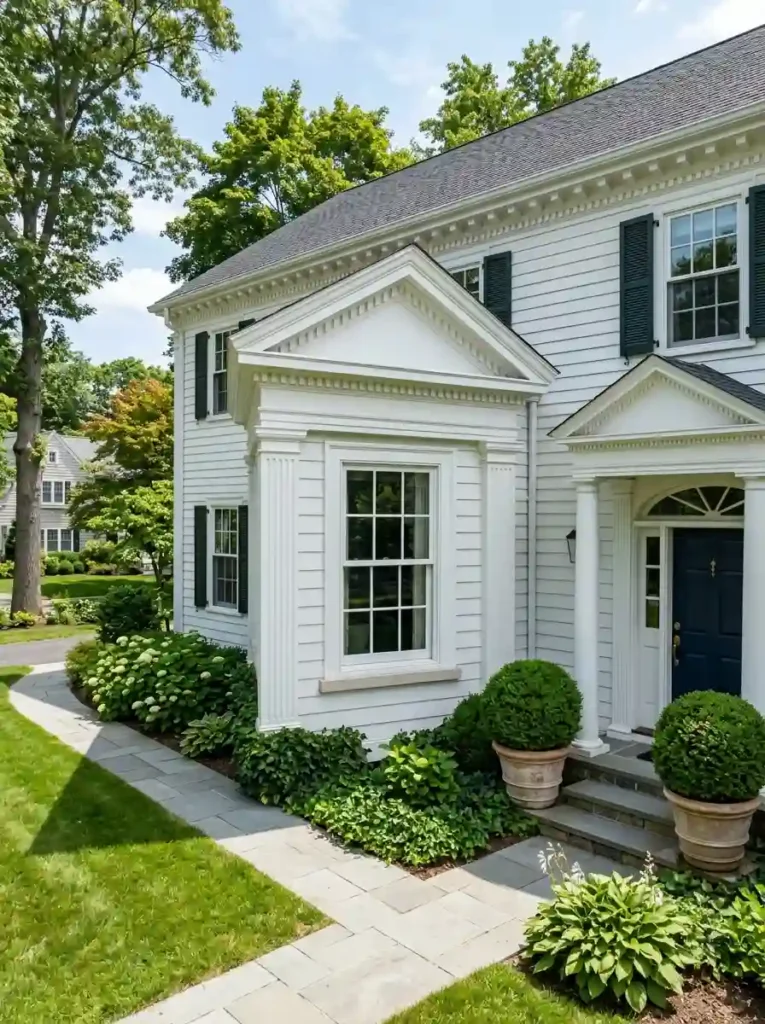
Decorative Pediment Detail
- A pediment is a triangular or arched decorative crown installed above a window for a formal look.
- It adds classical architectural character that references Greek and colonial design traditions.
- Pediments work best on symmetrical facades where windows are evenly spaced and proportioned.
- They make standard windows look like intentional architectural focal points on the exterior wall.
- Painting pediments white or a soft cream keeps the formal detail elegant without feeling heavy.
Pediment trim details are one of the clearest signals of classical architectural intention on a home’s exterior. They reference centuries of design tradition while still looking completely appropriate on modern residential facades. The triangular shape naturally draws the eye and adds vertical energy above the window.
That’s why many designers recommend pediment details for colonial, Georgian, and traditional-style homes specifically. The detail feels native to those architectural languages rather than added on. When the style fits the home, a pediment looks like it was always meant to be there.
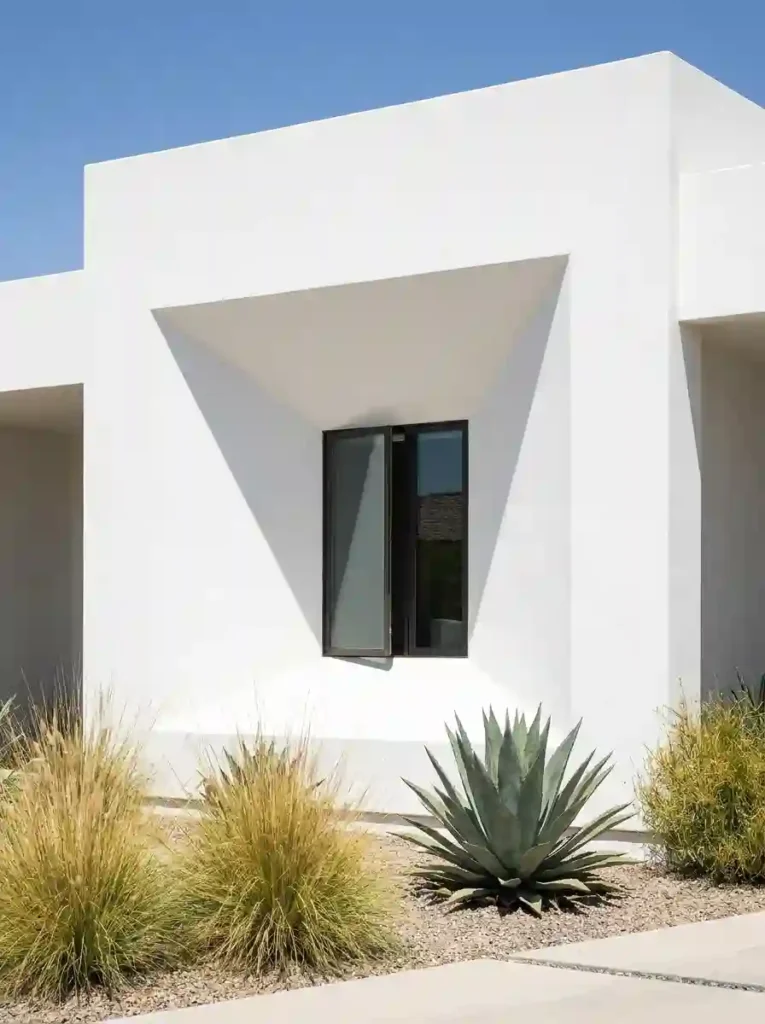
Recessed Window Framing
- Recessed framing uses the wall depth itself to create a natural shadow border around the window.
- It gives modern and contemporary homes a clean, architectural look without any added trim pieces.
- The deep reveal changes appearance throughout the day as sunlight shifts and shadows move.
- This approach works especially well on stucco, concrete, and smooth panel exterior finishes.
- It feels intentional and high-end without requiring decorative molding or complex installation.
Recessed window framing is a design technique that lets architecture do the work. Instead of adding trim on top of the wall surface, the window is set back to create a natural frame from the wall thickness itself. The result is clean, geometric, and quietly impressive.
In my experience, this approach photographs beautifully and looks even better in person. The shifting shadows throughout the day give the facade a dynamic, living quality. It is a detail that rewards attention without demanding it loudly.
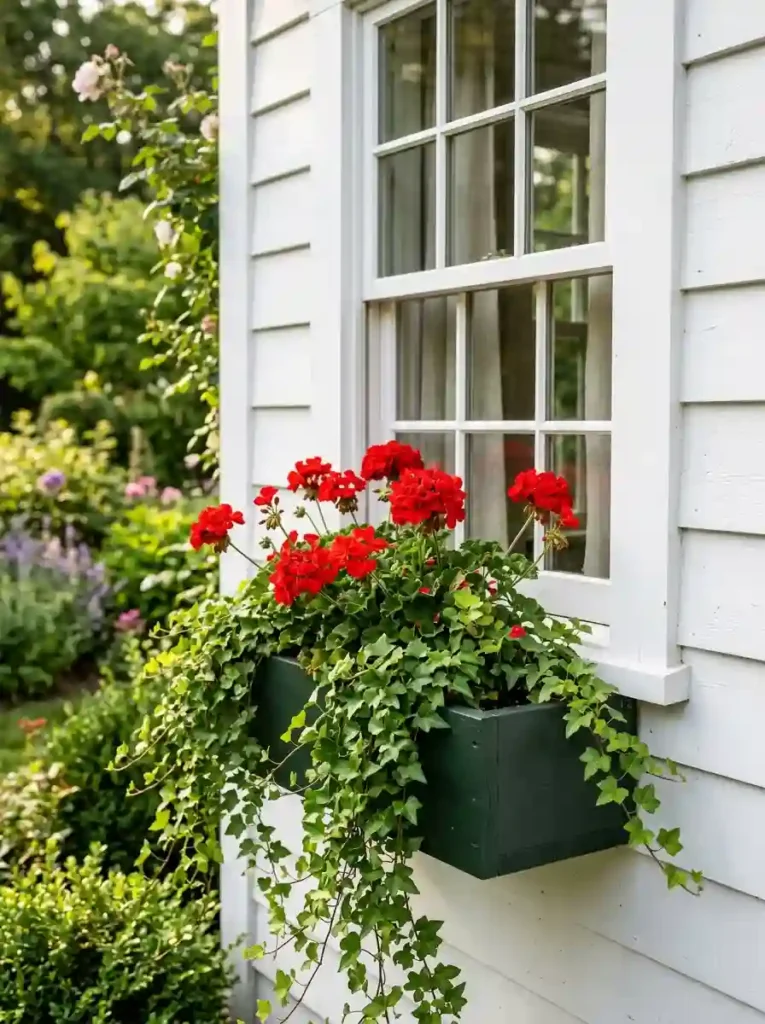
Window Box Planter Combo
- A window box paired with clean trim turns every window into a mini garden focal point.
- Overflowing flowers and trailing greenery add color, life, and softness to hard exterior surfaces.
- The contrast between blooms and trim color creates a naturally eye-catching combination.
- Window boxes work on virtually any home style from cottage to contemporary with ease.
- Seasonal planting keeps the look fresh and gives the exterior an ever-changing, curated quality.
Window boxes are one of the most beloved exterior upgrades for good reason. They add color, texture, and life to a facade in a way that no paint color or trim profile can replicate. A well-planted window box makes a home feel genuinely cared for and welcoming.
I’ve tried several planting combinations over the years and trailing plants paired with upright bloomers always create the most visually satisfying result. The trailing greenery softens the hard edges of the trim and box beautifully. It is a simple addition that brings enormous warmth to any exterior window treatment
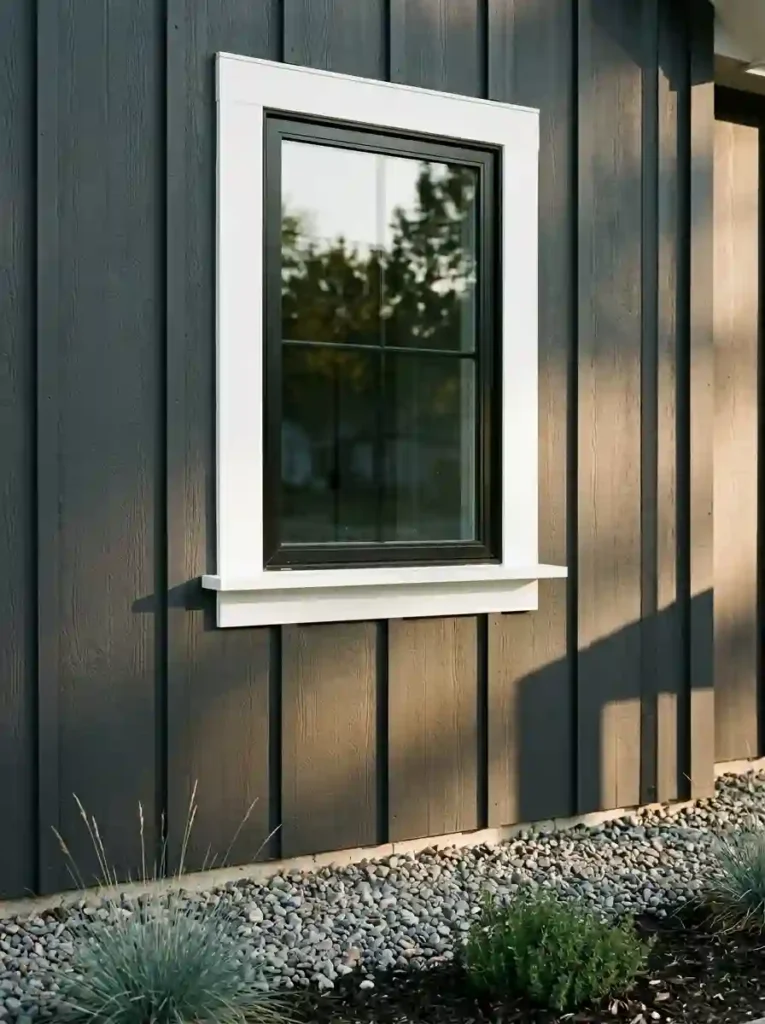
Contrasting Sill Detail
- An extended window sill that projects outward creates a strong horizontal shadow line below the window.
- Painting the sill a contrasting color to the wall makes it pop as a deliberate design element.
- A deeper sill projection adds visual weight and makes windows feel more grounded and substantial.
- This detail works on both modern and traditional homes depending on the profile and finish chosen.
- It is one of the most affordable single upgrades that adds immediate architectural definition.
The window sill is one of the most overlooked elements in exterior window trim design. Most homeowners treat it as purely functional when it is actually a powerful design tool. A well-proportioned sill with a contrasting finish can anchor the entire window composition.
Based on what I’ve seen, even adding just an inch or two of extra sill projection makes a significant visual difference. The shadow it casts below the window adds depth and dimension to flat wall surfaces. It is a small change with a disproportionately large visual impact on the overall facade.
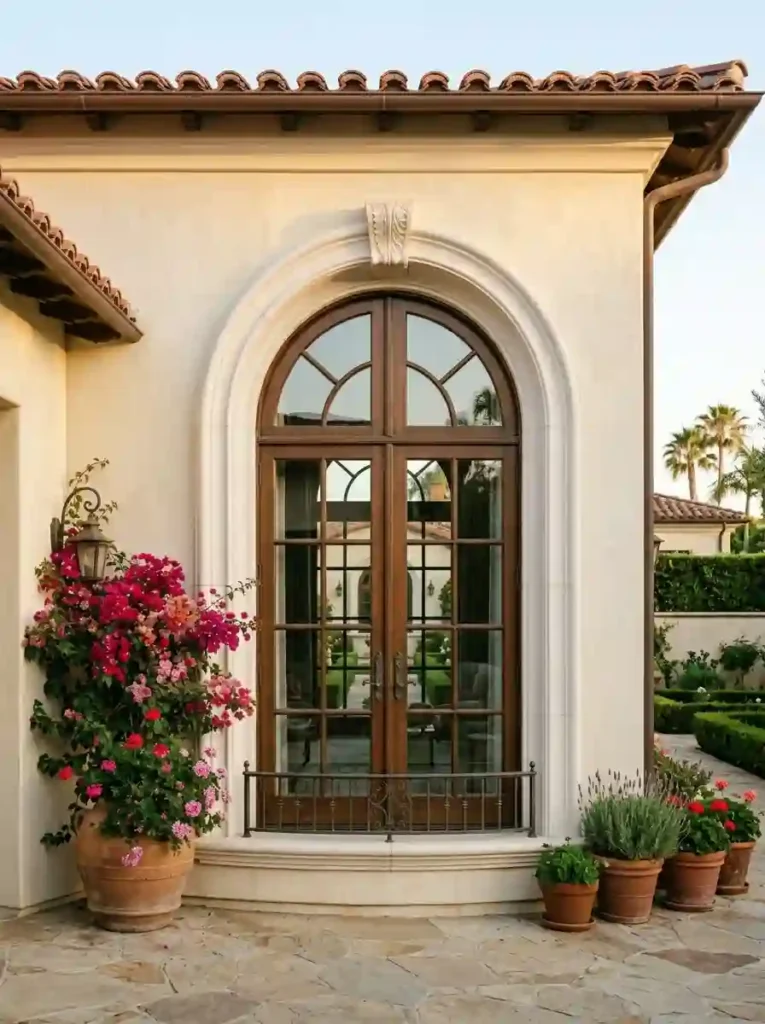
Arched Trim Surround
- Arched trim follows the curve of arched windows to create a seamless, elegant framing detail.
- The curved profile adds romantic, Old World character that flat trim simply cannot replicate.
- A keystone accent at the crown of the arch elevates the detail from simple to truly architectural.
- This style feels native to Mediterranean, Spanish, and Tuscan-inspired home designs.
- Smooth painted finishes keep the arched surround looking refined rather than ornate or heavy.
Arched window trim is one of those details that stops people in their tracks. The curve itself carries elegance and intention in a way that straight lines cannot. When the trim follows the arch precisely, the window becomes a genuine architectural statement on the facade.
That’s why many designers recommend investing in custom-bent trim profiles for true arched openings rather than approximating the curve with straight pieces. The precision makes all the difference in the final result. A well-executed arched surround looks like it was always part of the original design.
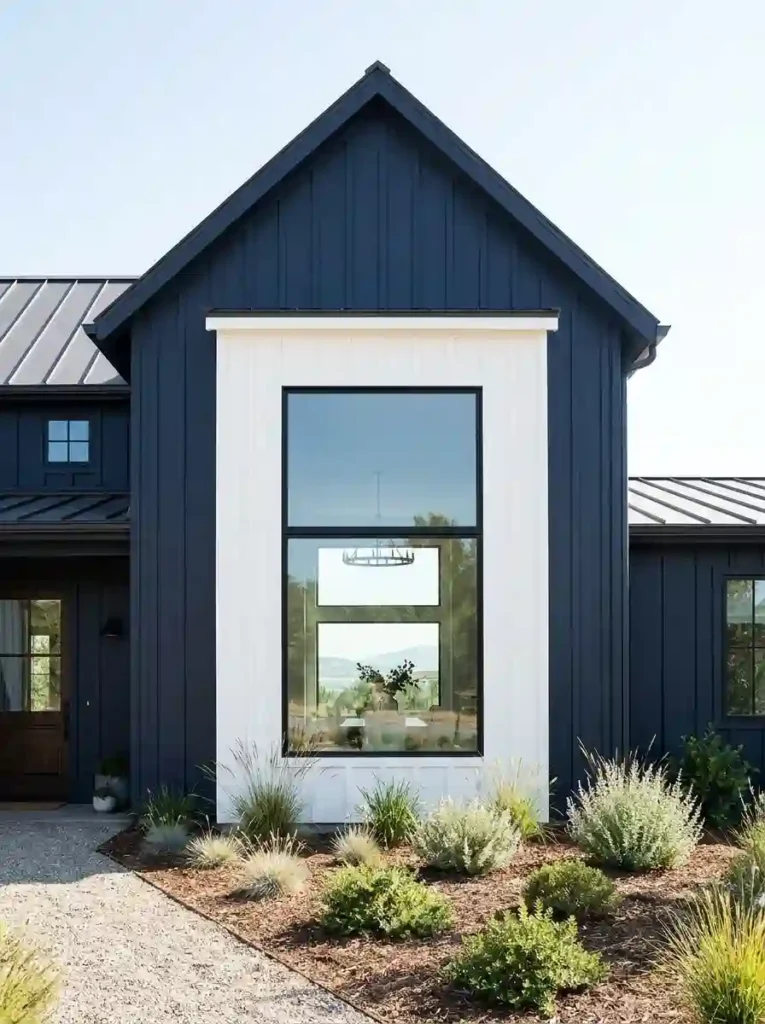
Vertical Board Casing
- Vertical board casing uses flat planks installed side by side to create a wide, graphic window frame.
- The strong vertical lines make windows appear taller and more prominent on the facade.
- This style works beautifully on farmhouse, transitional, and contemporary home exteriors.
- Wide board casing creates bolder shadow lines than traditional molding profiles.
- Painting boards white against dark siding creates a striking, high-contrast graphic effect.
Vertical board casing brings a bold, graphic quality to window framing that traditional molding profiles cannot achieve. The flat planks create clean lines and generous width that read clearly from the street. It is a modern interpretation of classic trim that feels current and confident.
In my own experience, this style works especially well when the boards are sized generously. Narrow boards can look tentative while wider boards look intentional and architectural. Getting the proportions right is the single most important decision in executing this look successfully.
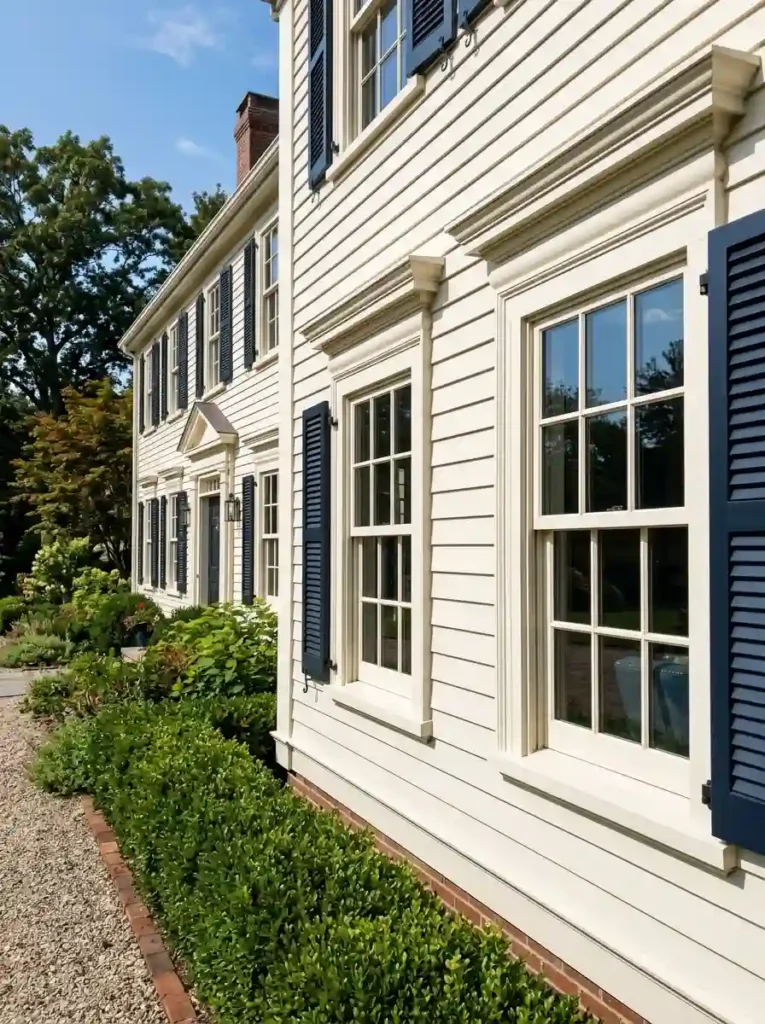
Layered Trim Profile
- Layered trim stacks multiple molding profiles together to create rich dimensional depth around windows.
- Each added layer creates an additional shadow line that gives the window surround more visual complexity.
- This technique is a hallmark of traditional, colonial, and Victorian-era architectural detailing.
- The layered effect looks custom and high-end even when using standard off-the-shelf molding pieces.
- Painting all layers the same color unifies the profiles while letting shadows define the individual elements.
Layered trim profiles are the secret behind why older homes and high-end custom builds look so much more refined than standard construction. The depth and shadow play created by multiple stacked profiles cannot be faked with a single flat board. It requires intentional design and careful installation but the result is genuinely impressive.
I’ve noticed that homeowners who invest in layered trim consistently report that it is one of their favorite exterior upgrades. The detail rewards close inspection while also reading beautifully from the street. It is the kind of craftsmanship that adds lasting value and visual richness to any home.
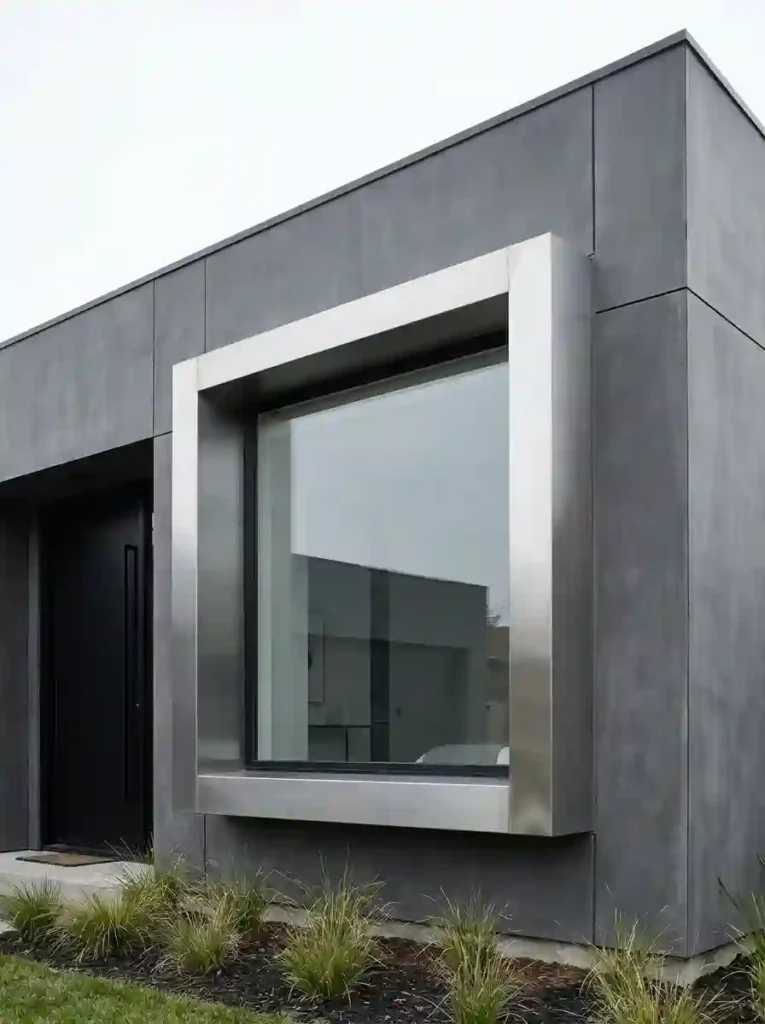
Metal Cladding Accent
- Metal window casing adds a sleek, industrial edge that painted wood trim simply cannot replicate.
- Brushed steel, weathered copper, and matte black aluminum are all striking material choices.
- The material naturally resists weathering, warping, and rot better than traditional wood profiles.
- Metal casing pairs beautifully with concrete, dark panel siding, and glass-heavy modern facades.
- Even a thin metal reveal around a window frame creates a sharp, precision-crafted appearance.
Metal window casing is one of the defining details of contemporary residential architecture right now. It communicates precision, durability, and intentional design in a single clean line. The material itself carries meaning. It signals that the home was designed with serious architectural thought.
From my perspective, metal casing works best when it is kept simple and precise. Elaborate profiles undermine the industrial elegance that makes this material so appealing. A thin, clean reveal in brushed steel or matte black is always more impressive than an ornate metal surround.
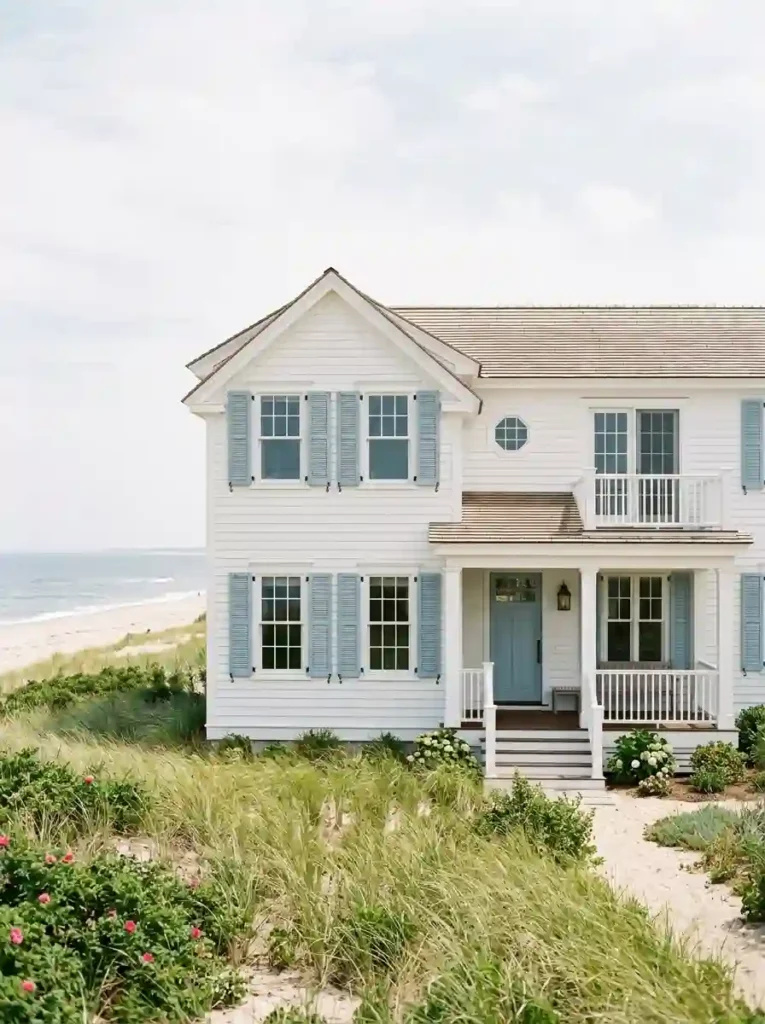
Coastal Shiplap Trim
- Shiplap window casing brings the popular interior trend outside for a cohesive coastal aesthetic.
- The horizontal board lines and gap shadows add natural texture without heavy ornamentation.
- Bright white shiplap trim against light blue shutters creates an instantly recognizable beach house look.
- This style feels relaxed, airy, and welcoming, perfectly matched to coastal and cottage home personalities.
- Properly sealed shiplap casing holds up beautifully in humid and salt-air coastal environments.
Coastal shiplap trim captures a feeling as much as it creates a visual detail. It communicates relaxation, openness, and a connection to natural surroundings that heavier trim styles cannot. The horizontal lines feel inherently calm and unhurried, exactly right for a beach or lakeside home.
I’ve seen this work beautifully on homes far from the coast too. The aesthetic travels well because it is ultimately about simplicity, lightness, and natural material texture. Any home that wants to feel open and breezy can benefit from this approach to window framing.
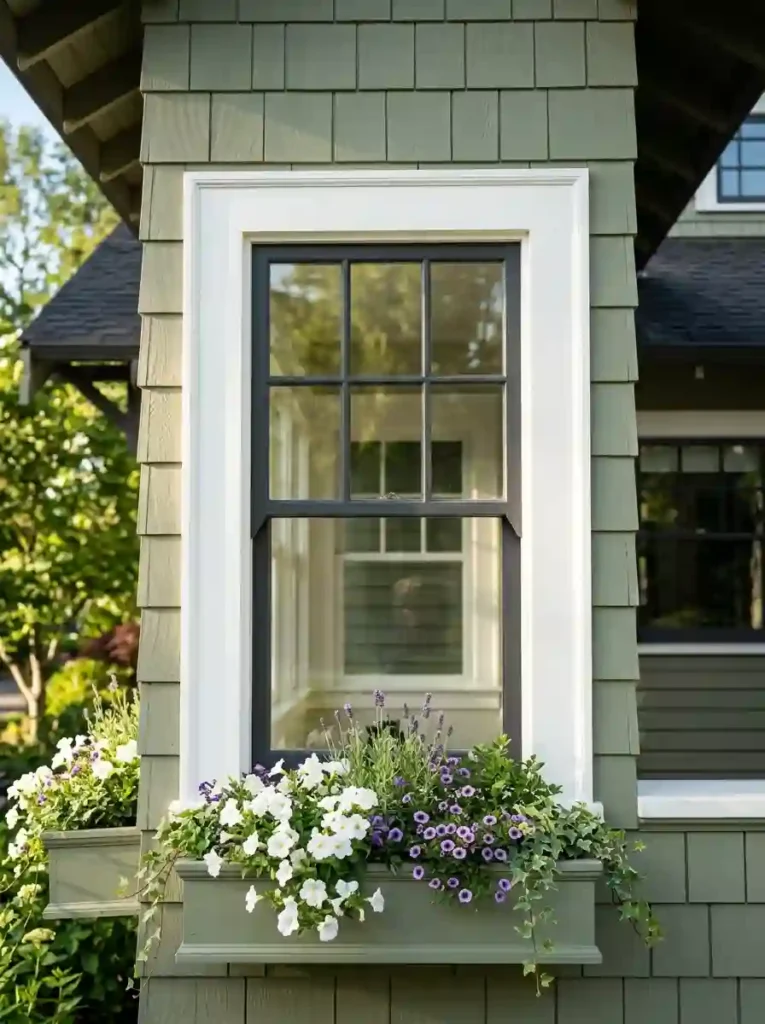
Two-Tone Trim Finish
- Two-tone trim uses two complementary colors on the inner and outer trim layers for added depth.
- The inner reveal color draws the eye toward the window glass and creates a framing-within-a-frame effect.
- This technique adds visual complexity and sophistication without requiring elaborate molding profiles.
- Choosing colors already present in the exterior palette keeps the two-tone detail cohesive and intentional.
- It is a subtle upgrade that looks custom and considered rather than simple or generic.
Two-tone window trim is one of the most underused design techniques in residential exteriors. Most homeowners paint all trim elements the same color without realizing how much depth a second color can add. The contrast between inner and outer trim layers creates a layered, jewel-box quality around every window.
In my experience, the most successful two-tone combinations keep one color neutral and let the second color do the expressive work. The neutral anchors the detail while the accent color adds the personality. It is a precise, intentional finishing touch that separates a thoughtfully designed exterior from an ordinary one.
Conclusion:
Your home’s exterior deserves to look as beautiful and intentional as everything inside it. These 21 ideas prove that upgrading your exterior window trim doesn’t have to be complicated, expensive, or overwhelming. From simple painted casing to layered molding profiles and stone veneer surrounds, there is genuinely something here for every home and every budget.
I’ve seen how small changes like these can completely transform a facade and boost curb appeal overnight. Pick one idea that excites you and start there. Save this post on Pinterest, share it with a friend planning a home refresh, and let these ideas inspire your next exterior upgrade.